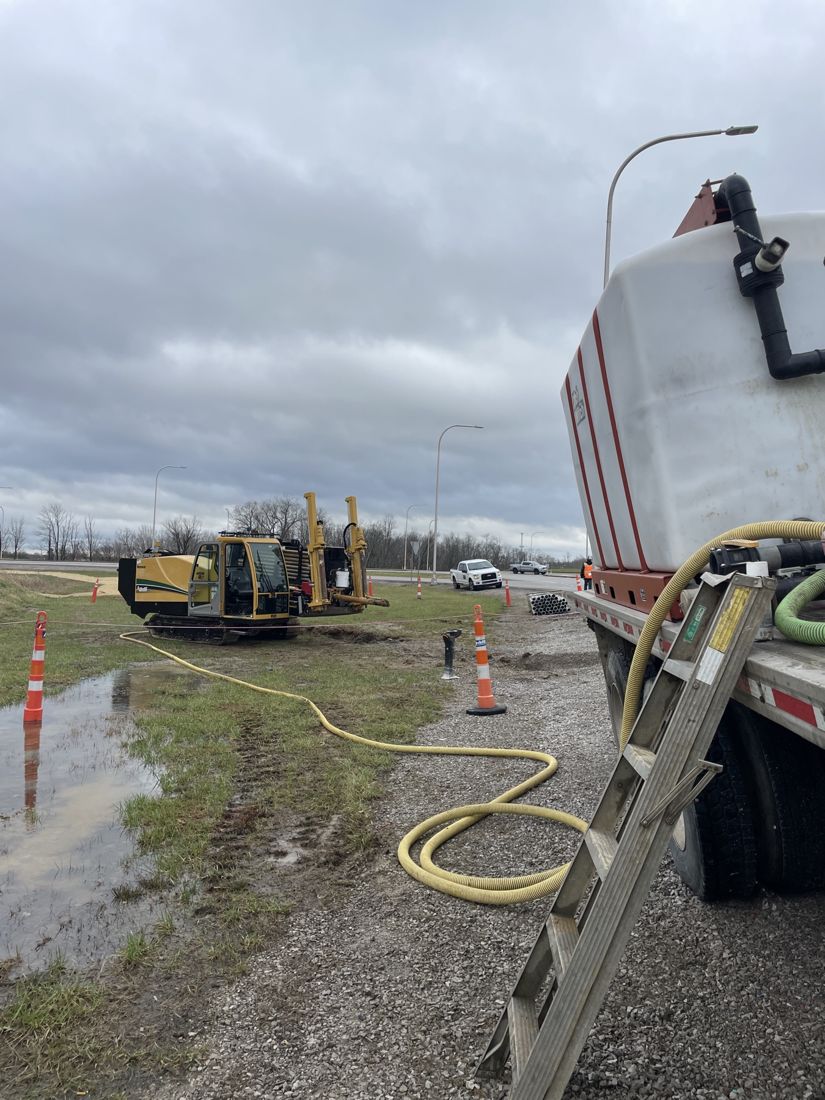
Hydroexcavation in Louisville, KY uses high-pressure water and a vacuum truck to break up and remove soil, a non-destructive way to expose buried utilities and dig in tight spots without risking a strike.
Hydroexcavation is a non-destructive digging method that uses a stream of high-pressure water to break up soil, paired with a powerful vacuum that lifts the loosened spoil into a holding tank. Nothing mechanical touches the ground the way a bucket or auger would.
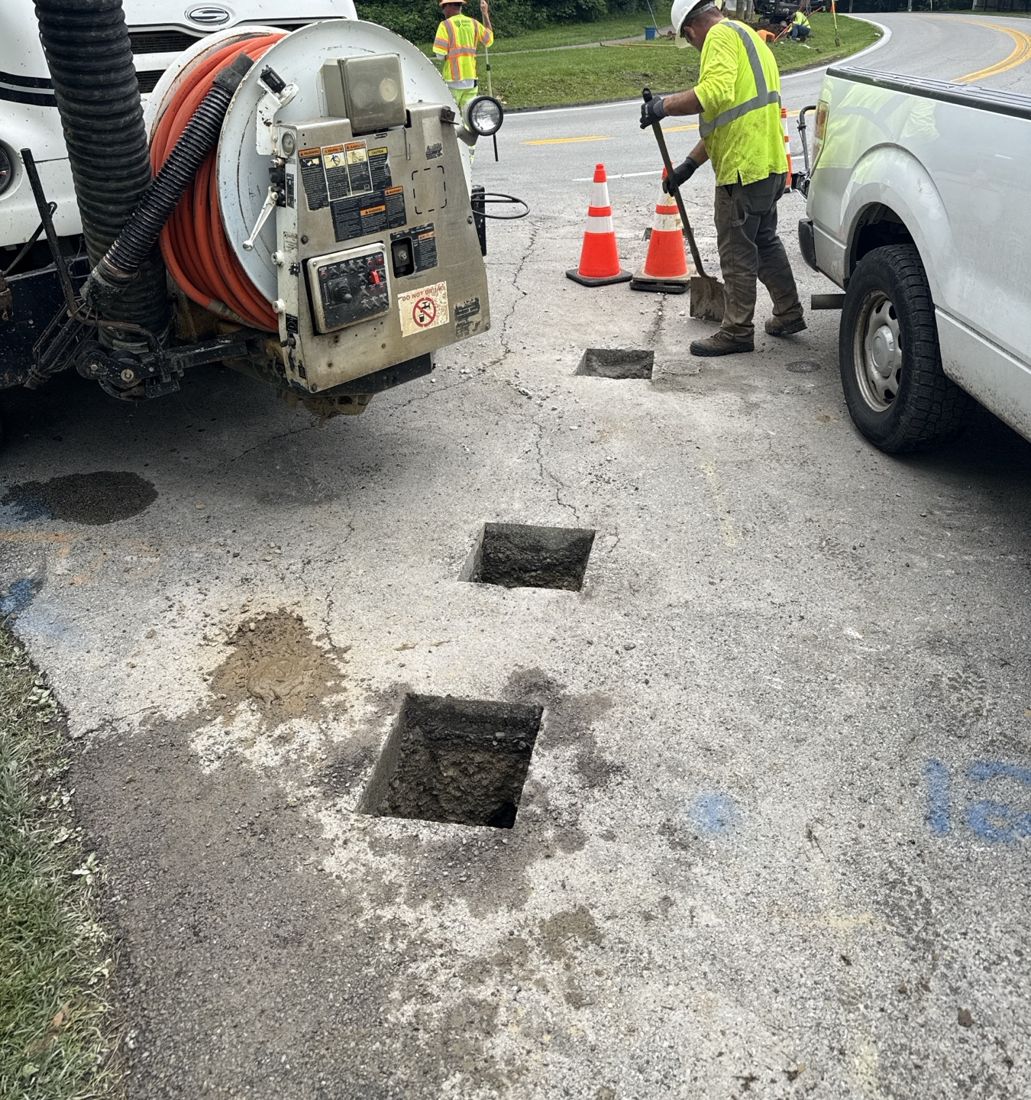
Because water and suction do the work, the excavation is precise and gentle. We can dig right up to a live gas, water, or electric line and expose it without nicking it, something a backhoe simply can't promise.
The result: a clean, controlled hole exactly where you need it, with the surrounding soil and any buried utilities left intact.
We confirm what's underground and mark the dig area first, so the crew knows exactly what the water is working toward.
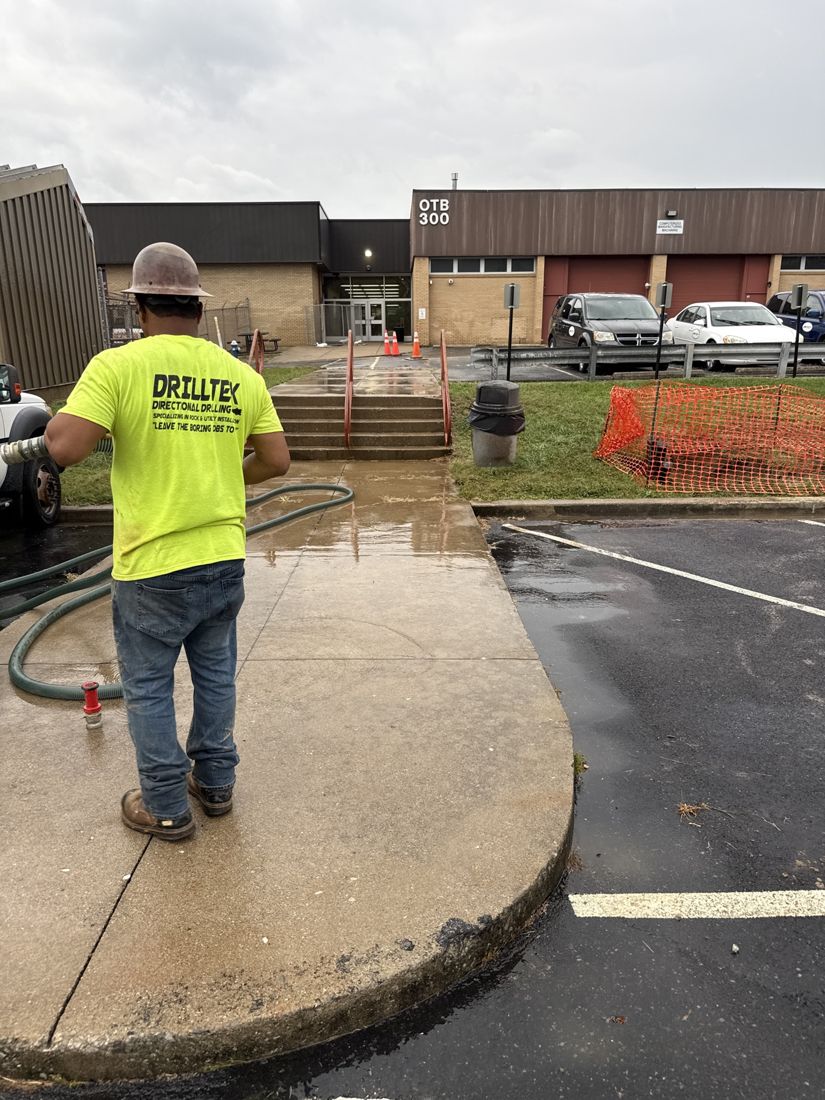
A focused high-pressure water stream breaks up the soil, loosening it into a slurry without impact or blades.
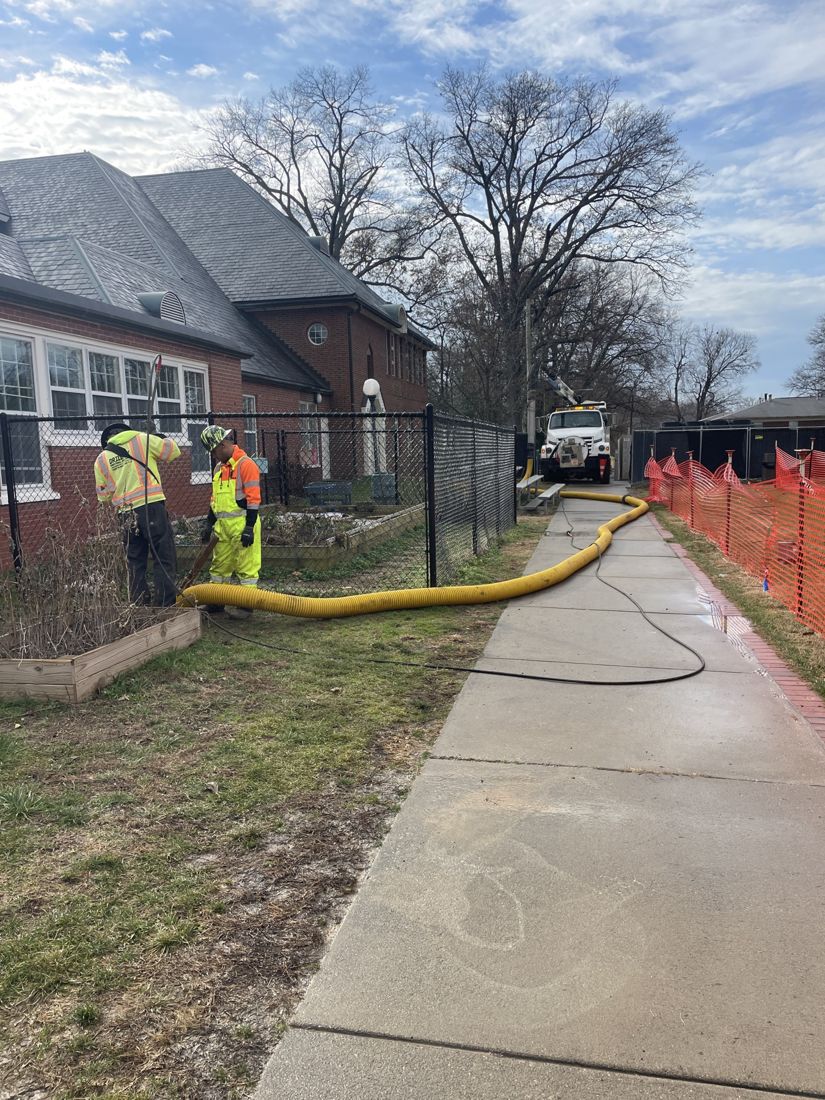
The vacuum truck lifts the slurry straight into a holding tank, keeping the hole clean and the site tidy as we go.
The utility or trench is exposed cleanly, and we haul the spoil off site for proper disposal.
Hydroexcavation is the safe call any time a hard blade near a buried line is a risk you'd rather not take. Not sure it fits your job? Call us, we'll tell you straight.
Expose existing utilities to verify depth and position before you bore, trench, or design around them.
Work close to live gas, fiber, or electric where a mechanical bucket would be too risky.
Cut narrow, precise trenches for utility installs with minimal disturbance to the surrounding ground.
Cold-weather digging and debris removal where the water stream cuts what a blade would struggle with.
Water and vacuum expose buried lines without the strike risk of a mechanical dig.
Dig exactly where you need to, at the depth you need, with clean edges and no overdig.
A far lower chance of a costly strike keeps crews safe and schedules on track.
| Potholing & daylighting | Expose utilities to verify depth and position |
| Slot trenching | Narrow, precise trenches for utility runs |
| Utility exposure at crossings | Confirm existing lines before a bore |
| Cold-weather digging | Frozen ground and debris removal |
| Spoil hauling | Slurry vacuumed, contained, and hauled off |
Send us the location and what's buried nearby. We'll tell you whether hydroexcavation is the right call and get you a quote, usually same day.